

Is Vietnam Safe to Travel? Complete Guide to Safety, Scams & Travel Tips (2026)
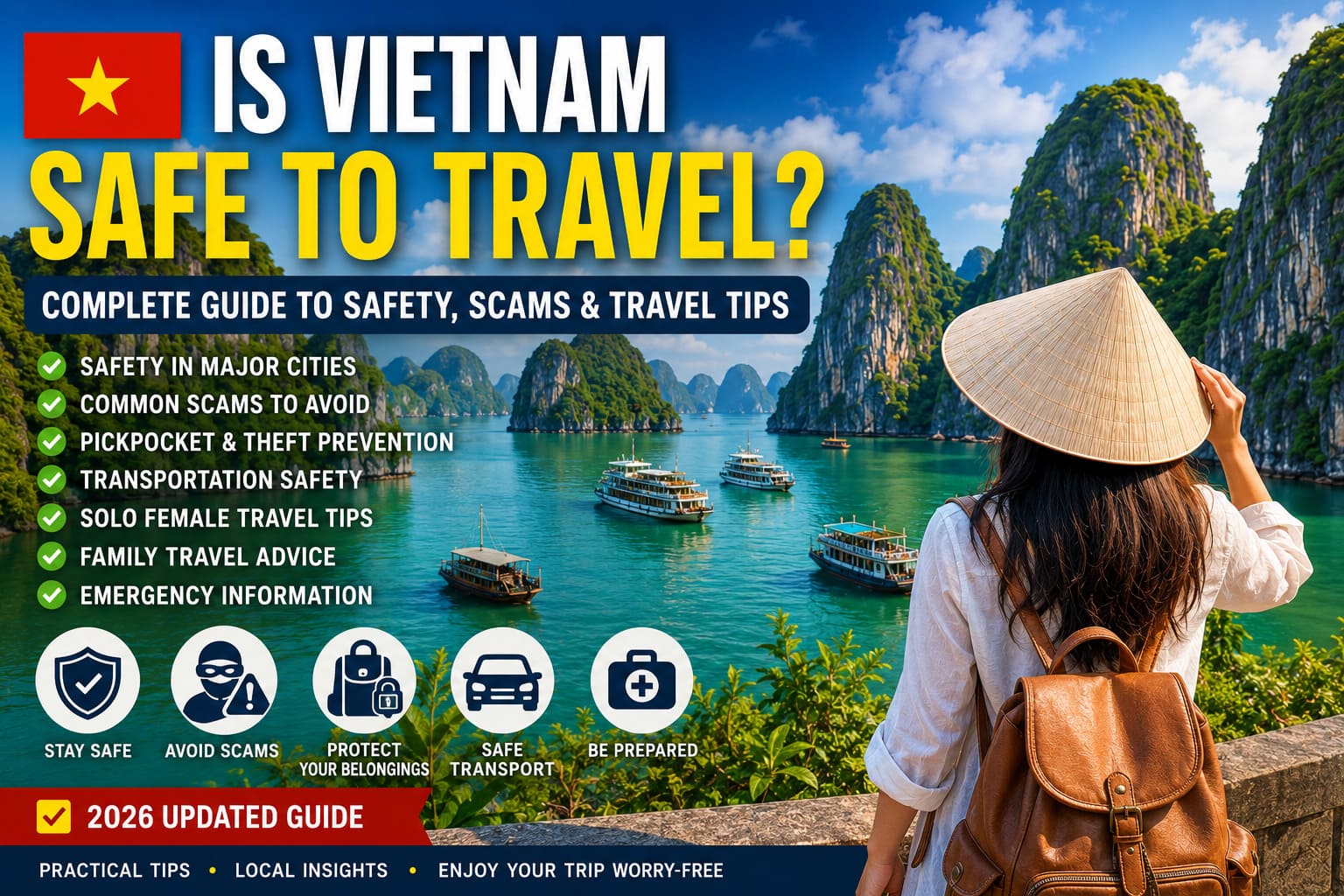
Is Vietnam Safe to Travel?
Vietnam has become one of the most popular travel destinations in Asia, attracting millions of international visitors every year. From the historic streets of Hanoi and the energetic atmosphere of Ho Chi Minh City to the beaches of Da Nang, the lantern-lit alleys of Hoi An, and the island resorts of Phu Quoc, Vietnam offers a wide range of travel experiences for first-time visitors, solo travelers, couples, families, and digital nomads.
But before planning a trip, many travelers ask the same question: Is Vietnam safe?
The simple answer is yes. Vietnam is generally a safe country for tourists, especially in major travel destinations. Most visitors complete their trips without serious problems. However, like many popular tourist countries, Vietnam does have some common travel issues, such as pickpocketing, taxi overcharging, phone snatching, tourist scams, confusing traffic, and price misunderstandings.
The good news is that most of these problems can be avoided with basic preparation, common sense, and a clear understanding of what to expect.
Is Vietnam Dangerous?
Vietnam is not usually considered a dangerous destination for travelers. Serious violent crime against tourists is uncommon in most popular tourist areas. The most common issues visitors may face are usually related to transportation, street scams, petty theft, confusing prices, or communication problems.
For most tourists, the main things to watch out for are:
- Pickpockets in crowded areas.
- Phone snatching by motorbike riders.
- Fake taxis or taxi overcharging.
- Fake Grab drivers.
- Currency confusion when paying in Vietnamese dong.
- Overpriced tourist services near popular attractions.
These problems can be frustrating, but they are usually preventable. If you use trusted transportation, keep your phone secure, avoid carrying too much cash, and confirm prices before accepting services, Vietnam can be a very enjoyable and safe destination.
Which Cities in Vietnam Are the Safest?
Safety conditions can vary depending on the city and travel style. Large cities such as Hanoi and Ho Chi Minh City are busy and energetic, while destinations such as Da Nang, Hoi An, and Phu Quoc feel more relaxed and easier for first-time visitors.
| City | Safety Level | Main Things to Watch For |
|---|---|---|
| Hanoi | ★★★★☆ | Busy traffic, crowded Old Quarter, pickpockets in tourist areas. |
| Ho Chi Minh City | ★★★★☆ | Phone snatching, fake taxis, busy nightlife areas. |
| Da Nang | ★★★★★ | Generally very safe and beginner-friendly. |
| Hoi An | ★★★★★ | Very safe, but still watch belongings in crowded night markets. |
| Nha Trang | ★★★★☆ | Beach safety, tourist pricing, belongings at the beach. |
| Phu Quoc | ★★★★★ | Generally safe, ideal for families and resort vacations. |
If this is your first trip to Vietnam, Da Nang, Hoi An, and Phu Quoc are often the easiest places to start. These destinations are more relaxed, tourist-friendly, and suitable for families, couples, and travelers who prefer a slower pace.
Are Vietnamese People Friendly to Tourists?
Most travelers find Vietnamese people warm, helpful, and welcoming. In hotels, restaurants, cafes, shopping malls, and tourist attractions, staff are usually familiar with international visitors and are often willing to help.
In major cities and tourist areas, many younger people can communicate in basic English. Even when English is limited, translation apps usually make simple communication easy enough for ordering food, asking for directions, or confirming prices.
However, as in any destination, travelers should still use good judgment. If you need help, it is better to ask hotel staff, official information counters, uniformed workers, reputable shops, or your local guide rather than relying on random strangers who approach you aggressively on the street.
Is Traffic in Vietnam Safe?
For many first-time visitors, the biggest culture shock in Vietnam is not crime, but traffic.
Motorbikes are everywhere, especially in Hanoi and Ho Chi Minh City. At busy intersections, hundreds of motorbikes may move through at the same time, and crossing the street can feel intimidating at first.
The key is to understand how local traffic flows. In Vietnam, motorbike riders often adjust their path around pedestrians, but sudden movements can create risk.
Tips for Crossing the Street in Vietnam
- Walk at a slow and steady pace.
- Do not suddenly stop in the middle of the road.
- Do not run across unexpectedly.
- Use pedestrian crossings and traffic lights when available.
- Avoid looking at your phone while crossing.
- Hold children’s hands when crossing busy roads.
It may feel stressful on the first day, but most travelers adapt quickly after spending some time in the city.
Do You Need a Private Guide in Vietnam?
Vietnam can be explored independently, especially if you are comfortable using travel apps, maps, translation tools, and English. Many experienced travelers plan their own itineraries without difficulty.
However, if this is your first time in Vietnam, or if you are traveling with children, elderly family members, or a group, hiring a local private guide can make the trip much easier.
A local guide can help you understand the culture, avoid common tourist traps, choose reliable restaurants, plan efficient routes, communicate with drivers or vendors, and adjust the itinerary when needed.
For travelers who want a smoother experience, combining a private guide with airport transfer or private car service can reduce stress, especially after a long flight or when visiting several attractions in one day.
What Will This Vietnam Safety Guide Cover?
This guide will help you understand the most important safety topics before visiting Vietnam. We will look at the safety situation in major cities, common scams, transportation tips, solo female travel advice, family travel safety, emergency preparation, and practical ways to make your trip smoother.
In the next section, we will go city by city and look at what travelers should know about Hanoi, Ho Chi Minh City, Da Nang, Hoi An, Nha Trang, and Phu Quoc.
Is Hanoi Safe for Tourists?
Hanoi, the capital of Vietnam, is one of Southeast Asia's most fascinating cities. With its centuries-old history, French colonial architecture, beautiful lakes, traditional street food, and vibrant Old Quarter, Hanoi is often the first destination international visitors experience when traveling through northern Vietnam.
Overall, Hanoi is considered a safe city for tourists. Violent crime involving visitors is uncommon, and most travelers complete their visit without any major issues. The biggest challenges are usually busy traffic, crowded tourist areas, and occasional petty theft.
Safety Tips for Visiting Hanoi
- Keep your phone and wallet secure while walking through the Old Quarter.
- Stay alert in crowded places such as Hoan Kiem Lake, Dong Xuan Market, and the Hanoi Night Market.
- Always confirm prices before taking a cyclo (pedicab) or purchasing souvenirs.
- Use Grab or reputable taxi companies for transportation.
- Avoid walking alone through isolated alleys late at night.
Hanoi is also famous for its local food culture. Busy restaurants with many local customers are usually a good sign of quality and freshness. If you are unsure where to eat, asking your hotel or a local guide for recommendations is often the safest choice.
Is Ho Chi Minh City Safe?
Ho Chi Minh City, formerly known as Saigon, is Vietnam's largest and busiest city. It offers excellent food, exciting nightlife, historical landmarks, shopping centers, rooftop bars, and modern entertainment, making it one of the country's most popular destinations.
The city is generally safe for tourists, but it is also where phone snatching by motorbike riders is reported more frequently than elsewhere in Vietnam.
How to Reduce the Risk of Phone Snatching
- Do not use your phone while standing next to busy roads.
- Keep your phone away after taking photos.
- Wear crossbody bags instead of carrying handbags on one shoulder.
- Hold cameras securely with neck or shoulder straps.
- Avoid placing valuables in easily accessible pockets.
These simple habits significantly reduce the chance of becoming a target. Most visitors who stay aware of their surroundings enjoy Ho Chi Minh City without any problems.
Is It Safe to Go Out at Night?
Popular areas such as Nguyen Hue Walking Street, Ben Thanh Market, Bui Vien Walking Street, and Little Japan remain busy well into the evening and are generally safe because many locals and tourists are present.
As in any large city, avoid poorly lit streets, empty neighborhoods, or excessive alcohol consumption when traveling alone late at night.
Is Da Nang Safe?
Da Nang is often considered one of Vietnam's safest and most comfortable cities for international visitors. Known for its clean beaches, modern infrastructure, wide roads, and relaxed atmosphere, Da Nang is an excellent destination for first-time visitors, couples, and families.
Unlike Hanoi or Ho Chi Minh City, traffic is generally less stressful, making it much easier for travelers to explore independently.
Why Travelers Love Da Nang
- Clean and organized city center.
- Beautiful beaches within minutes of downtown.
- Reliable Grab service throughout the city.
- Easy access to Hoi An, Ba Na Hills, and My Son Sanctuary.
- Wide selection of international hotels and resorts.
The biggest safety concern in Da Nang is not crime but motorcycle accidents involving inexperienced tourists who rent scooters without proper riding experience.
If you are unfamiliar with local traffic, using Grab or hiring a private driver is usually a much safer option.
Is Hoi An Safe?
Hoi An is widely regarded as one of the safest tourist destinations in Vietnam. Its beautifully preserved Ancient Town, colorful lanterns, riverside cafés, and peaceful atmosphere make it a favorite among couples, photographers, and families.
Most visitors feel comfortable walking around the Ancient Town both during the day and in the evening.
Things to Keep in Mind
- Keep your belongings close during the busy night market.
- Confirm boat prices before boarding.
- Compare prices when shopping for lanterns or handmade products.
- Do not leave bags hanging on the backs of chairs while dining.
Since many streets inside the Ancient Town are pedestrian-friendly, Hoi An is one of the easiest places in Vietnam to explore on foot.
Is Nha Trang Safe?
Nha Trang is famous for its beaches, seafood, island-hopping tours, and water sports. It attracts both domestic and international tourists looking for a relaxing seaside vacation.
Overall, Nha Trang is considered safe. However, crowded beaches and night markets require the same level of awareness that travelers would exercise in any major tourist destination.
Safety Tips for Nha Trang
- Do not leave valuables unattended on the beach.
- Check weather conditions before participating in water sports.
- Confirm seafood prices before ordering.
- Book island tours through reputable companies.
- Carry only the cash you need for the day.
Choosing well-reviewed tour operators helps ensure better safety standards and overall service quality.
Is Phu Quoc Safe?
Phu Quoc has become one of Vietnam's fastest-growing island destinations. Luxury resorts, beautiful beaches, family attractions, and nature parks make it especially popular among honeymooners and families.
The island is generally very safe, with relatively low levels of tourist-related crime compared with larger cities.
Travel Tips for Phu Quoc
- Book airport transfers before arrival.
- Use hotel safes for passports and valuables.
- Pay attention to weather and sea conditions before swimming.
- Consider hiring a private car for attractions spread across the island.
Because attractions are located far apart, private transportation often provides a more comfortable and efficient travel experience than relying solely on taxis.
Which Vietnamese City Is Best for First-Time Visitors?
Every traveler has different interests, so the ideal destination depends on your travel style.
| Travel Style | Recommended Destination |
|---|---|
| First-time visitors | Da Nang & Hoi An |
| History & Culture | Hanoi |
| Food Lovers | Ho Chi Minh City & Hanoi |
| Family Vacations | Phu Quoc & Da Nang |
| Beach Holidays | Phu Quoc & Nha Trang |
| Nightlife | Ho Chi Minh City |
If this is your very first trip to Vietnam and you prefer an easy, relaxed experience, Da Nang and Hoi An are excellent starting points. Travelers interested in history, architecture, and authentic street food often enjoy Hanoi, while Ho Chi Minh City offers a more energetic metropolitan atmosphere.
Each City Has Different Safety Considerations
Although Vietnam is generally a safe destination, every city has its own characteristics. Hanoi requires extra attention when crossing busy streets, Ho Chi Minh City demands greater awareness of phone snatching, while beach destinations like Nha Trang and Phu Quoc require basic precautions around water activities and personal belongings.
Understanding these differences allows you to prepare properly and enjoy your trip with greater confidence.
Coming Up Next: The Most Common Tourist Scams in Vietnam
Knowing which city to visit is only the first step. In the next section, we'll explore the most common scams tourists encounter in Vietnam—including fake taxis, fake Grab drivers, currency scams, pickpocketing, and phone snatching—and explain how to avoid them with practical, real-world travel tips.
Common Tourist Scams in Vietnam and How to Avoid Them
One of the biggest concerns travelers have before visiting Vietnam is whether they will be scammed. The good news is that most scams targeting tourists are relatively minor and can easily be avoided with a little preparation.
Unlike destinations where violent crime is a major concern, Vietnam's most common travel problems usually involve dishonest pricing, transportation scams, petty theft, or misunderstandings with vendors. Knowing what to expect before you arrive will help you travel with greater confidence.
Fake Taxis and Taxi Overcharging
One of the oldest tourist scams in Vietnam involves unofficial taxis operating near airports, train stations, bus terminals, and popular attractions.
Some drivers approach visitors directly, offering lower prices or claiming that official taxis are unavailable. Others may refuse to use the meter or intentionally take longer routes to increase the fare.
How to Avoid Taxi Scams
- Use Grab whenever possible.
- Book transportation through your hotel.
- Choose reputable taxi companies.
- Confirm that the meter is running before departure.
- Avoid drivers who aggressively approach tourists.
If you're arriving late at night or carrying heavy luggage, booking an airport transfer in advance is often the safest and most convenient option.
Fake Grab Drivers
Grab is Vietnam's most popular ride-hailing application and is widely trusted by both locals and tourists. However, in busy tourist areas, some individuals pretend to be Grab drivers even though they have not accepted your booking through the app.
These drivers may quote higher prices, request cash payments, or cancel the official booking and offer an offline ride.
Always Verify Before Getting In
- Match the license plate with the app.
- Check the driver's name.
- Confirm the vehicle model.
- Do not cancel your booking to ride privately.
- If anything looks suspicious, cancel and book another ride.
Using the official Grab platform provides trip records, GPS tracking, customer support, and transparent pricing.
Currency Confusion and Money Exchange Scams
Vietnam uses the Vietnamese Dong (VND), and first-time visitors are often surprised by the large numbers printed on the banknotes.
For example, 500,000 VND, 200,000 VND, and 50,000 VND may look similar to someone unfamiliar with the currency. This sometimes leads to accidental overpayment or receiving incorrect change.
Money Safety Tips
- Take a moment to check each banknote before paying.
- Count your change immediately.
- Exchange money at banks or licensed exchange counters.
- Avoid exchanging money with strangers.
- Keep large bills separate from smaller denominations.
Many hotels, shopping malls, and restaurants also accept international credit cards, reducing the need to carry large amounts of cash.
Using ATMs Safely in Vietnam
ATMs are widely available throughout Vietnam's major cities and tourist destinations. International debit and credit cards are accepted by most banks.
While ATM fraud is relatively uncommon, travelers should still follow basic security practices.
ATM Safety Tips
- Use ATMs located inside banks or shopping malls.
- Avoid isolated machines late at night.
- Cover the keypad while entering your PIN.
- Put your cash away immediately after withdrawing.
- Keep your receipt until the transaction appears in your account.
If your card is retained by an ATM or a withdrawal fails after your account has been charged, contact your bank immediately.
Phone Snatching by Motorbike Riders
Phone snatching receives significant attention online, especially in Ho Chi Minh City. While these incidents do occur, they are generally opportunistic crimes rather than violent attacks.
Most cases involve tourists using their phones close to busy roads while distracted.
Reduce Your Risk
- Avoid standing beside busy streets while using your phone.
- Put your phone away after taking photos.
- Carry cameras with secure straps.
- Wear crossbody bags.
- Stay aware of approaching motorbikes.
Developing these simple habits dramatically reduces your chances of becoming a target.
Pickpocketing in Crowded Tourist Areas
Like many popular tourist destinations around the world, pickpocketing can occur in crowded locations such as night markets, walking streets, festivals, public transportation, and major attractions.
Professional pickpockets often rely on distraction rather than force.
Protect Your Belongings
- Keep backpacks in front of you in crowded areas.
- Avoid placing wallets in back pockets.
- Use bags with secure zippers.
- Store passports inside your hotel safe.
- Carry only the cash you need for the day.
Street Vendors and Unexpected Charges
In some tourist areas, street vendors may offer coconuts, souvenirs, shoe cleaning, boat rides, or photo opportunities before discussing the price.
Some travelers mistakenly assume the service is free, only to be asked for payment afterward.
Always ask whether there is a charge before accepting any service, even if it appears friendly or informal.
Shopping Tips in Vietnam
Vietnam is well known for coffee, handicrafts, clothing, local snacks, silk products, and souvenirs.
Shopping malls and supermarkets usually display fixed prices, while traditional markets often allow some negotiation.
Smart Shopping Advice
- Ask for the price before making a purchase.
- Compare prices between different shops.
- Keep receipts for expensive items.
- Inspect products before paying.
- Use credit cards in reputable stores whenever possible.
Massage Spas and Tourist Services
Massage is a popular activity for visitors to Vietnam because prices are generally affordable. Most massage businesses operate honestly, but some may encourage customers to purchase expensive upgrades or request unusually high tips.
Choose Reputable Businesses
- Read recent Google reviews.
- Check the official price list before entering.
- Ask whether service charges are included.
- Avoid businesses recommended aggressively on the street.
Choosing well-reviewed establishments usually leads to a much better experience.
Is It Safe to Use Credit Cards?
International credit cards such as Visa and Mastercard are widely accepted in hotels, shopping centers, major restaurants, and international coffee chains.
Using a credit card can reduce the amount of cash you need to carry, making travel more secure.
Whenever possible, keep your card within sight during payment and enable instant transaction notifications through your bank.
What Should You Do If You Become a Victim of a Scam?
If you experience a pricing dispute or minor scam, remain calm and avoid confrontation. Take photos if necessary and ask your hotel staff or local guide to assist with communication.
If your passport is stolen, valuables are lost, or you become the victim of a serious crime, report the incident to the local police immediately and contact your country's embassy or consulate in Vietnam.
If you purchased travel insurance, notify your insurance provider as soon as possible to begin the claims process.
The Reality: Most Travelers Enjoy Vietnam Without Problems
Millions of tourists visit Vietnam every year, and the overwhelming majority complete their trips safely and return home with wonderful memories.
Most travel problems can be avoided simply by staying aware of your surroundings, using trusted transportation, protecting your belongings, and understanding the most common tourist scams before your trip.
In the next section, we'll focus on solo female travel, family travel, senior travelers, medical emergencies, lost passports, and other practical safety advice that will help you prepare for every stage of your Vietnam adventure.
Is Vietnam Safe for Solo Female Travelers?
Vietnam has become one of the most popular destinations in Asia for solo female travelers. Every year, thousands of women travel independently through Hanoi, Da Nang, Hoi An, Ho Chi Minh City, and other parts of the country without experiencing any major safety issues.
Overall, Vietnam is considered a safe destination for women traveling alone. Local people are generally friendly, hotels and tourist facilities are well developed, and many popular destinations remain lively well into the evening.
Like anywhere in the world, practicing basic travel safety and staying aware of your surroundings will help you enjoy a comfortable and memorable trip.
Safety Tips for Solo Female Travelers
- Choose hotels with strong recent reviews.
- Avoid walking alone in isolated areas late at night.
- Use Grab or reputable transportation services.
- Do not share your hotel location with strangers.
- Share your daily itinerary with family or friends.
- Keep digital copies of your passport and important documents.
- Avoid displaying expensive jewelry or valuables.
Many solo travelers also choose to book a local private guide for one or two days. Besides providing cultural insights, a guide can help reduce language barriers and make exploring unfamiliar neighborhoods much more comfortable.
Is Vietnam Safe for Families with Children?
Vietnam is an excellent destination for family vacations. Cities such as Da Nang, Phu Quoc, and Nha Trang offer family-friendly resorts, amusement parks, beaches, and attractions suitable for children of all ages.
The main safety concern for families is usually traffic rather than crime.
Family Travel Safety Tips
- Always hold children's hands when crossing streets.
- Do not allow children to walk near busy roads alone.
- Request child safety seats when booking private transportation if needed.
- Carry basic medicines for fever, stomach problems, and allergies.
- Keep children hydrated during hot weather.
- Apply sunscreen regularly.
- Avoid overloading the daily itinerary.
Hiring a private car can significantly reduce travel fatigue, especially when visiting multiple attractions with young children.
Traveling with Senior Family Members
Vietnam is also a wonderful destination for multi-generational family vacations. However, elderly travelers often appreciate a slower pace and comfortable transportation.
Recommended Travel Tips
- Limit sightseeing to two or three major attractions per day.
- Choose private transportation instead of public buses.
- Schedule breaks during the hottest part of the day.
- Bring enough prescription medication for the entire trip.
- Select hotels with elevators.
- Avoid changing hotels too frequently.
A local guide can also help communicate with restaurants, hotels, drivers, or medical staff whenever necessary.
What Should You Do If You Lose Your Passport?
Losing your passport can be stressful, but staying calm and acting quickly will make the process much easier.
Recommended Steps
- Check your hotel, restaurants, and recent transportation first.
- Report the loss to the local police.
- Request an official police report.
- Contact your country's embassy or consulate in Vietnam.
- Apply for an emergency travel document or replacement passport.
- Contact your airline if your travel plans need to change.
Before traveling, it is highly recommended to keep digital copies of your passport, travel insurance, and flight information stored securely online.
What If You Lose Your Phone?
Modern travelers store airline tickets, hotel reservations, payment apps, and personal information on their smartphones, making phone security especially important.
If Your Phone Is Lost
- Use Find My iPhone or Find My Device immediately.
- Change passwords for important accounts.
- Contact your bank if mobile payment apps are installed.
- Suspend your SIM card through your mobile provider.
- Report the incident to the local police if necessary.
Enabling screen locks, biometric authentication, and remote tracking before your trip provides additional protection.
What Happens If You Get Sick in Vietnam?
Major cities including Hanoi, Ho Chi Minh City, Da Nang, and Nha Trang have modern hospitals, international clinics, and pharmacies that are well equipped to assist foreign visitors.
For minor illnesses such as colds, stomach discomfort, dehydration, or minor injuries, medical care is generally easy to access.
Items Worth Packing
- Prescription medications.
- Pain relievers.
- Cold medicine.
- Digestive medication.
- Basic first-aid supplies.
- Oral rehydration salts.
If your condition becomes more serious, your hotel staff, travel guide, or travel insurance provider can usually recommend an appropriate medical facility.
Should You Buy Travel Insurance?
Absolutely.
Travel insurance is one of the smartest investments you can make before visiting Vietnam. While most travelers never need to use it, insurance can provide valuable protection for unexpected medical expenses, lost luggage, flight delays, trip cancellations, or personal accidents.
The cost of travel insurance is relatively small compared with the total cost of an international vacation, making it well worth considering.
Vietnam Travel Safety Checklist
| Topic | Recommendation |
|---|---|
| Transportation | Use Grab, reputable taxis, or private drivers. |
| Cash | Carry only the amount you need each day. |
| Passport | Store it securely in your hotel safe. |
| Phone | Avoid using it near busy roads. |
| Accommodation | Choose highly rated hotels. |
| Currency Exchange | Use banks or licensed exchange offices. |
| Night Travel | Avoid isolated neighborhoods late at night. |
| Shopping | Confirm prices before making purchases. |
| First-Time Visitors | Consider hiring a local private guide. |
Frequently Asked Questions
Is Vietnam safe for first-time international travelers?
Yes. Vietnam is considered one of the easier destinations in Southeast Asia for first-time visitors. Cities such as Da Nang, Hoi An, and Phu Quoc are particularly beginner-friendly.
Is Vietnam safer than other Southeast Asian countries?
Vietnam has a good reputation as a tourist destination. While every country has its own challenges, most travelers find Vietnam to be welcoming, affordable, and generally safe when basic precautions are taken.
Can you walk around at night in Vietnam?
Yes. Popular tourist districts usually remain active well into the evening. However, as with any destination, avoid poorly lit or isolated areas and stay aware of your surroundings.
Can I use credit cards in Vietnam?
Yes. Hotels, shopping malls, international restaurants, and many cafés accept Visa and Mastercard. Smaller local businesses may still prefer cash.
Do I need to speak Vietnamese?
No. Basic English is commonly spoken in major tourist destinations, and translation apps make communication much easier than in the past.
What is the biggest safety concern in Vietnam?
For most tourists, the biggest concerns are heavy traffic, occasional phone snatching, petty theft, and common tourist scams—not violent crime.
Coming Up Next: Planning a Safer and More Enjoyable Vietnam Trip
Now that you understand Vietnam's safety situation, common scams, and practical travel advice, the final section will summarize the key points and explain how private guides, airport transfers, private transportation, and travel concierge services can help make your Vietnam adventure even smoother.
Traveling Safely in Vietnam Is Easier Than You Think
If you're planning your first trip to Vietnam, it's completely normal to have questions about safety, transportation, scams, and local customs. Fortunately, Vietnam has become one of the most popular destinations in Southeast Asia for a reason. Millions of international visitors explore the country every year, and the vast majority enjoy a safe, memorable, and rewarding travel experience.
Whether you're wandering through the historic streets of Hanoi, discovering the vibrant energy of Ho Chi Minh City, relaxing on the beaches of Da Nang, admiring the lanterns of Hoi An, or escaping to the tropical paradise of Phu Quoc, Vietnam offers incredible diversity for every type of traveler.
Like any destination, understanding local customs and taking a few sensible precautions will significantly reduce your chances of encountering problems. By planning ahead and staying aware of your surroundings, you can focus on enjoying everything Vietnam has to offer.
Good Preparation Creates a Better Travel Experience
Many first-time visitors spend countless hours researching transportation, accommodation, restaurants, attractions, and travel routes before arriving in Vietnam. While independent travel is certainly possible, good planning can save both time and unnecessary stress.
If you prefer a more relaxed experience, hiring a knowledgeable local private guide can help you discover authentic food, local culture, hidden attractions, and efficient sightseeing routes that are often overlooked by ordinary tourists.
For families, couples, senior travelers, or anyone visiting multiple destinations in a limited amount of time, private transportation can also make traveling considerably more comfortable by eliminating the need to navigate unfamiliar public transportation systems.
Airport transfers are especially useful for travelers arriving late at night, early in the morning, or after long international flights. Having a driver waiting upon arrival allows you to begin your trip comfortably without worrying about finding transportation after landing.
Some travelers also appreciate having access to a travel concierge service during their trip. Assistance with restaurant reservations, itinerary adjustments, transportation arrangements, translation support, or unexpected travel situations can make independent travel much less stressful.
Vietnam Travel Safety Summary
- Vietnam is generally considered a safe destination for international tourists.
- Serious violent crime involving visitors is uncommon.
- The most common issues involve petty theft, tourist scams, and traffic awareness.
- Grab is usually the safest and most convenient transportation option.
- Avoid carrying large amounts of cash.
- Store passports and valuables securely in your hotel safe.
- Stay alert when using your phone near busy roads.
- Confirm prices before accepting transportation or services.
- Purchase comprehensive travel insurance before departure.
- If this is your first visit, consider hiring a local private guide for a smoother experience.
Final Thoughts
Vietnam is one of the most exciting countries to explore in Southeast Asia. Its rich history, incredible cuisine, breathtaking natural landscapes, welcoming people, and affordable travel costs continue to attract visitors from around the world.
Although stories about scams or petty crime occasionally appear online, they represent only a small fraction of the millions of successful trips made each year. Most travelers experience Vietnam as a friendly, vibrant, and safe destination.
Understanding local transportation, knowing how to avoid common scams, protecting your valuables, and respecting local customs will help ensure that your journey is enjoyable from beginning to end.
Whether you are planning a short vacation, a family holiday, a honeymoon, or a long backpacking adventure, Vietnam offers unforgettable experiences that continue to inspire travelers to return again and again.
Recommended Reading
- Vietnam Travel Guide for First-Time Visitors
- How Much Does a Trip to Vietnam Cost?
- How to Choose the Right Private Tour Guide in Vietnam
- Private Car Services in Vietnam: Everything You Need to Know
- Vietnam Airport Transfers: Are They Worth Booking?
- Vietnam Travel FAQ for International Visitors
Before You Go
Safe travel is not about finding a destination with zero risk—it is about understanding the local environment, making informed decisions, and preparing well before your journey begins.
With thoughtful planning, reliable transportation, appropriate travel insurance, and a little awareness, Vietnam is an incredibly rewarding country to explore. From its vibrant cities and UNESCO World Heritage Sites to its spectacular coastline and world-famous cuisine, every region offers something unique to discover.
We hope this guide has answered your questions about traveling safely in Vietnam and given you the confidence to plan your adventure. Have a fantastic trip, travel safely, and enjoy everything this beautiful country has to offer.
Need a private guide to explore Vietnam?
Playful Tours offers private guides and local companions in Hanoi, Ho Chi Minh City, Da Nang and Hoi An. Choose the right guide based on your travel date, language and needs.